Williams | Robinson | Wiggins
practice area
Personal Injury
Missouri injury, liability, insurance-coverage, and wrongful-death matters.
An injury claim requires attention to fault, causation, insurance coverage, medical evidence, damages, and filing deadlines. Our practice is led by a trial lawyer with more than four decades of experience representing plaintiffs and defendants in automobile collisions, premises liability, medical negligence, products liability, business torts, and insurance-coverage disputes. Experience on both sides informs how we evaluate and prepare a claim. Most injury matters are handled under a written contingent-fee agreement, so the attorney's fee depends on a recovery; responsibility for case expenses is addressed separately in the agreement.

Car, truck, motorcycle, and bicycle collisions
Missouri holds every driver on a public road to the highest degree of care, and Missouri is a comparative fault state. A jury decides what percentage of fault belongs to each person whose conduct contributed to the collision, and an injured person's recovery is reduced by his or her own share. Even a partly-at-fault plaintiff can recover the rest. The evidence that establishes fault, including the police report, physical evidence at the scene, vehicle data, and witness accounts, disappears quickly, which is why we begin investigating as soon as we are retained and, where the case warrants it, bring in accident reconstruction experts.
Crashes involving commercial trucks, motorcycles, and bicycles have their own rules and their own dangers. Trucking cases involve federal and state licensing and insurance regimes and well-funded defense teams. Motorcyclists and cyclists are often struck because a driver did not see them, and they carry none of the protection a car provides. We have written at length about Missouri's rules of the road for cyclists and about the insurance coverages that matter after a collision; those articles appear below.
Dealing with the insurance company
The other driver's insurer generally does not have to pay medical bills as they are incurred and is not obligated to settle before liability and damages are established. An injured person's own policy may also matter: medical-payments coverage can pay covered bills regardless of fault, uninsured-motorist coverage applies when an at-fault driver has no liability insurance, and underinsured-motorist coverage may apply when available liability limits are insufficient. Policies impose notice, cooperation, consent, and other conditions, and a release or recorded statement can affect a claim. The policy language and all potentially available coverage should be reviewed early.
A reliable final valuation usually requires the medical condition to stabilize enough to assess permanent effects, future treatment, and the impact on work and daily life. Resolving a claim too early may omit losses that were not yet known. Depending on the claim, recoverable damages may include medical expenses, lost income and earning capacity, property damage, and noneconomic harm such as pain, suffering, and loss of enjoyment of life. We also represent policyholders when their own insurer provides a defense under a reservation of rights.
Premises, products, and professional negligence
A property owner owes visitors a duty that depends on why they are there. A customer or other invitee is owed reasonable inspection and either repair or warning of hazards the owner knew or should have known about; a social guest or licensee is owed warning of known dangers; a trespasser is owed little, except that children drawn by an attractive nuisance are a special case. Slip-and-fall, inadequate-lighting, and inadequate-security claims all turn on these distinctions and on what the owner knew.
A product is defective when a flaw in its design, its manufacture, or its warnings makes it unreasonably dangerous for its intended or foreseeable use. Which party is responsible depends on where the defect entered the chain, and proving it usually requires expert testing. Medical negligence claims likewise require expert testimony that a provider failed to use the skill and learning ordinarily used by members of the profession, and they are governed by a statutory cause of action with caps on non-economic damages under Chapter 538, RSMo, that adjust annually. We also handle wrongful death claims, which in Missouri belong to a statutory class of family members rather than to the estate.
Common questions
What should I do after a car accident?
Stay at the scene, call law enforcement, and request medical help for anyone who needs it. If it is safe, photograph the vehicles, road, signals, conditions, and visible injuries, and obtain contact information for witnesses. Exchange required information without debating fault. Seek appropriate medical evaluation and follow the treatment plan. Report the collision promptly under your policy, preserve records and damaged property, and understand who is requesting a recorded statement before giving one.
Can I recover if the accident was partly my fault?
Missouri follows pure comparative fault. An injured person may recover the share of damages assigned to other responsible parties even if the injured person also bears fault. For example, if total damages are $60,000 and the injured person is found 25 percent at fault, the award is reduced by 25 percent to $45,000, subject to collectability, insurance limits, liens, and other applicable rules.
How long do I have to bring a claim?
The deadline depends on the legal theory, the defendant, the injured person's age and capacity, and other facts. Medical-negligence, wrongful-death, product, and ordinary negligence claims may use different limitation periods, and a claim involving a public body may have a separate, much shorter notice requirement. Insurance policies can also impose contractual notice or suit deadlines. Because exceptions and accrual rules are fact-specific, the deadline should be evaluated promptly rather than estimated from a general rule.
Will my health insurer have to be repaid from my settlement?
It depends on who paid the bills and the governing plan or statute. Medicare, Medicaid, military-benefit programs, workers' compensation carriers, medical providers, and some employer-sponsored plans may assert liens or reimbursement rights. Other health-plan provisions may be limited by Missouri law, but federal law can preempt state restrictions in some plans. Potential claims should be identified, verified, and resolved before settlement proceeds are distributed.
Will the other driver's insurer pay my medical bills as they are incurred?
Usually not. A liability insurer typically evaluates payment as part of a settlement after fault and damages are documented, rather than paying each bill when received. Health insurance, medical-payments coverage, workers' compensation, or another benefit source may pay first, subject to deductibles and possible liens or reimbursement rights. Providers may also assert permitted liens or seek payment directly from the patient.
How do contingent fees and case expenses work?
The written fee agreement states the percentage or method used to calculate the attorney's fee and explains whether the percentage changes if suit, trial, or appeal is required. Litigation expenses—such as filing fees, records, depositions, and experts—are separate from the attorney's fee. The agreement should state how expenses are funded and whether the client may remain responsible for any expense if there is no recovery.
How long does a personal injury claim take?
Timing depends on the severity and duration of treatment, when the condition can be evaluated reliably, disputes over fault or coverage, the insurer's response, filing deadlines, and whether litigation or trial is necessary. Some claims resolve through pre-suit negotiation; disputed or medically complex cases may take substantially longer. An early estimate should be treated as provisional because the medical course and the opposing party's position can change.
What damages may be recovered in an injury claim?
Depending on the claim, damages may include reasonable medical expenses, lost income, diminished earning capacity, property damage, and noneconomic losses such as pain, suffering, disability, and loss of enjoyment of life. Wrongful-death damages are governed by a separate Missouri statute. Medical-negligence and claims against governmental entities may be subject to special procedures or limits. The recoverable amount also depends on proof, comparative fault, insurance, liens, and collectability.
What we handle
- Motor vehicle accidents
- Premises or workplace accidents
- Homeowners' & auto insurance claims
- Reservation of rights representation
- Professional negligence
- Wrongful death claims
- Defective product claims
- Bicycle accidents
Attorneys who handle personal injury matters

Insights on personal injury law
Longer reads from our attorneys on the questions clients ask most in this area.
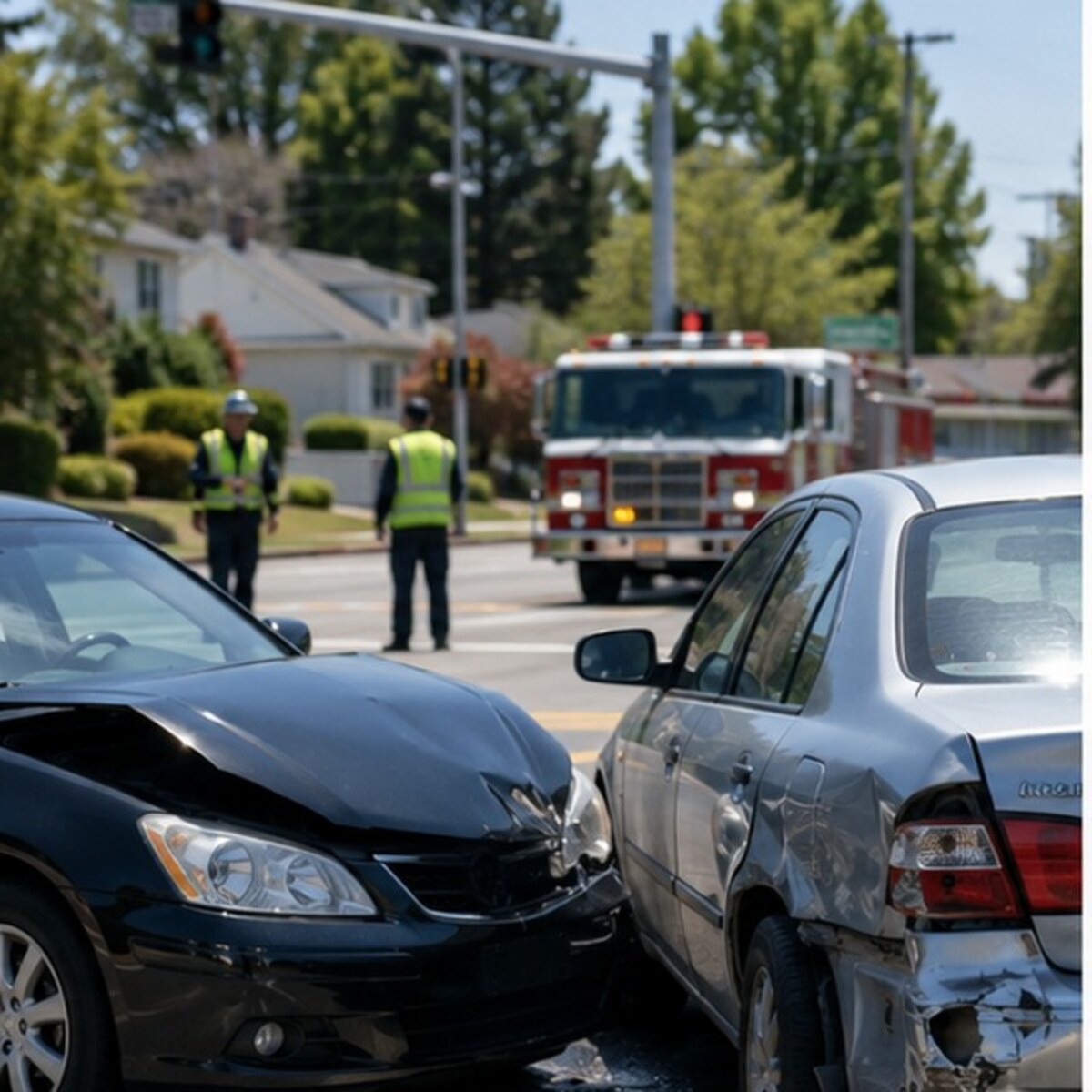
Who Pays After an Accident? Missouri's Fault Rules.
August 9, 2026
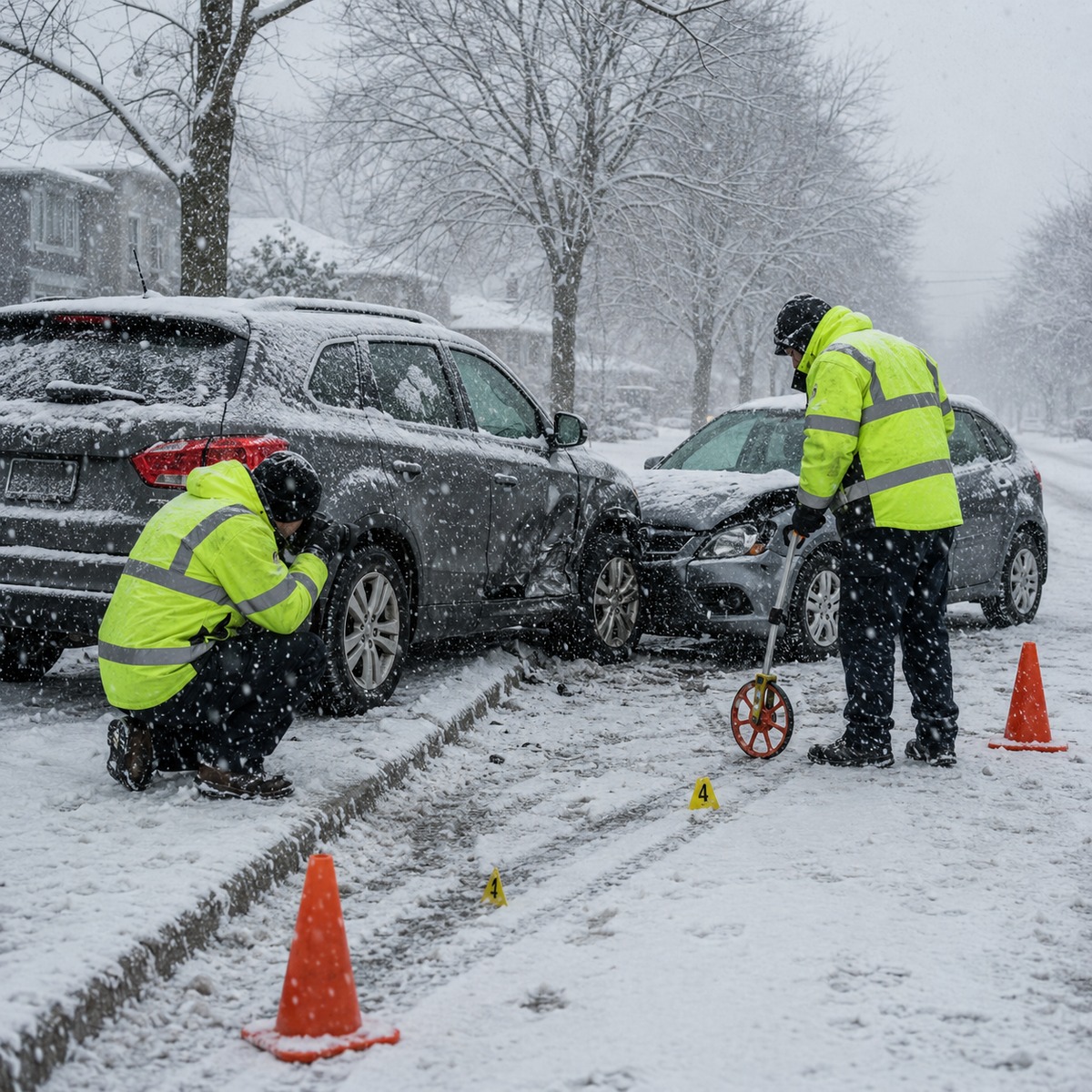
The auto insurance coverages that shape an injury case.
August 6, 2026

The Rules Behind a Missouri Medical Malpractice Claim.
July 26, 2026

When a Defective Product Causes Harm in Missouri.
July 22, 2026

Bicycles and rules of the road.
September 16, 2022
General information only. Williams | Robinson | Wiggins provides this material as a public service. It summarizes selected legal topics and is not legal advice for any person or situation. Legal outcomes depend on specific facts and current law; an attorney can give advice only after reviewing the circumstances of the matter.
To discuss a personal-injury matter, call (573) 341-2266 or send a message through our contact page. Our office is at 901 N Pine Street in Rolla, and we serve clients throughout Phelps, Pulaski, Dent, Texas, Crawford, and Maries counties and the rest of south-central Missouri.
Talk with an attorney
Call or send a message and tell us briefly what you need. We will match you with an attorney best suited to your needs.
Phone:(573) 341-2266
Email:mail@wrw.law
Office:901 N Pine Street, 4th Floor, Rolla, MO 65401
Contact usPractice areas
Latest

Federal gun regulation in 2026: what changed — and what didn't.
August 20, 2026

The National Firearms Act after the 2026 injunction.
August 16, 2026

What the "Corporate Transparency Act" means to you.
August 13, 2026