Williams | Robinson | Wiggins
practice area
Criminal and Traffic Defense
Missouri criminal, DWI, traffic, license, and expungement matters.
A criminal charge can affect liberty, driving privileges, employment, professional licenses, and a person's record. Our criminal defense practice is led by a former Phelps County assistant prosecutor who has represented hundreds of defendants in matters ranging from murder, assault, arson, robbery, and drug trafficking to driving while intoxicated and traffic offenses, and who lectures to other lawyers on search and seizure and DWI defense. That experience informs our review of the charge, the evidence, available defenses, and the collateral consequences of each option.
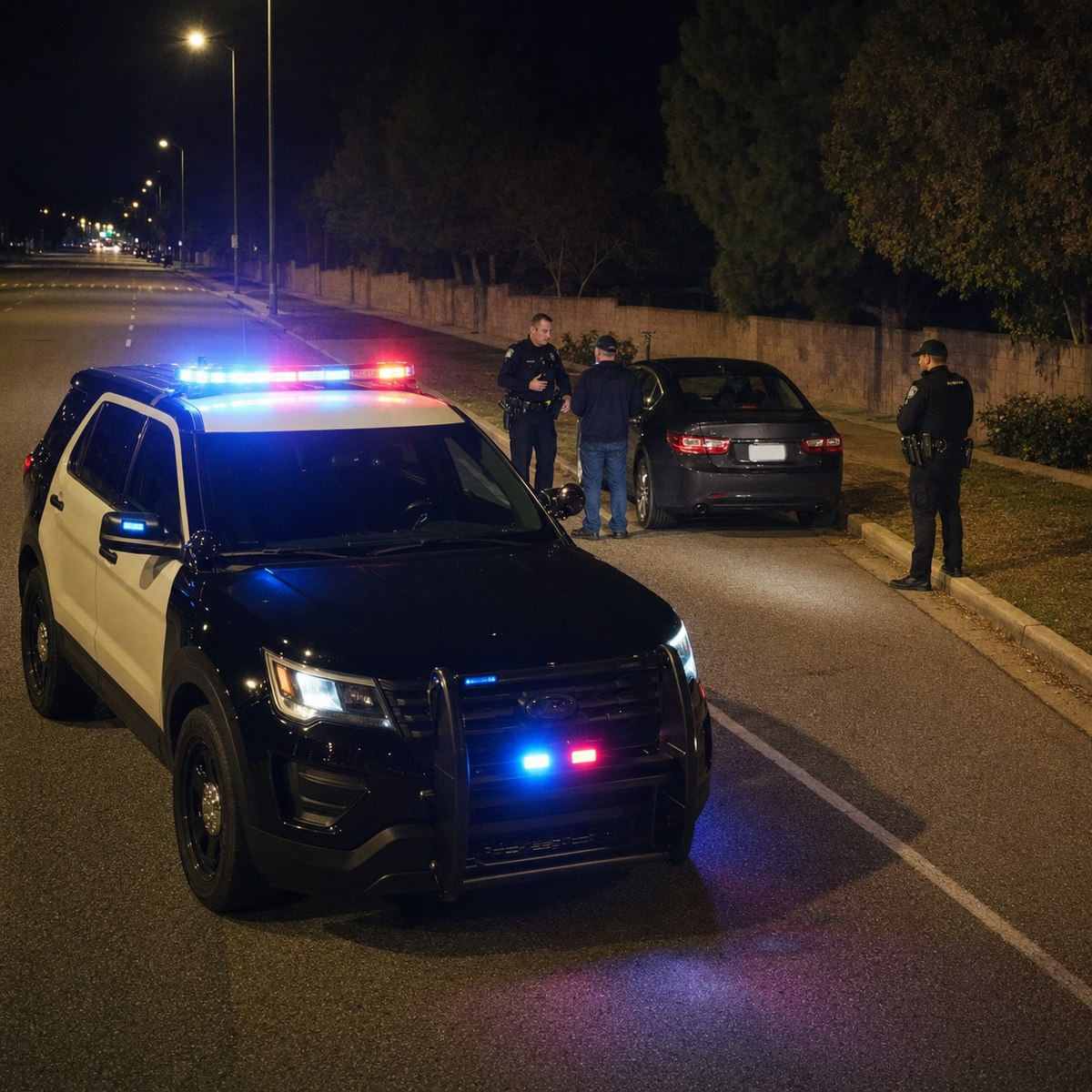
What to do when you are charged
A person who is under investigation or arrest should obtain legal advice before deciding whether to answer questions. There are circumstances in which communication with law enforcement may be useful, but that decision should be based on the facts and made with counsel. Statements can be used even when no formal arrest has occurred, and officers may use investigative tactics that do not require them to disclose all information they have. Missouri law and the Constitution also impose prompt-review requirements after a warrantless arrest, making the first hours of a case time-sensitive.
"Not guilty" is a finding about the evidence, not a statement about what happened. Even a person who did nothing wrong needs counsel once an investigation begins. An experienced defense attorney evaluates what the state can and cannot prove, identifies mistakes in the stop, the search, or the collection of evidence, and helps you make an informed decision about how to proceed.
Felonies and misdemeanors
A felony is an offense that may carry imprisonment in the Missouri Department of Corrections; a misdemeanor is punishable by no more than one year in county jail, a fine, or both. A felony complaint ordinarily begins in the associate division and proceeds to the circuit division after a preliminary hearing or grand-jury indictment establishes probable cause. Municipal ordinance cases are prosecuted under local ordinances rather than state criminal statutes, but they are quasi-criminal proceedings that may still carry fines, jail, license consequences, or later enhancement consequences.
Many cases end without a trial, and the terms of a disposition can affect the public record and future consequences. A suspended imposition of sentence generally avoids a judgment of conviction if probation is completed successfully and the record is then closed; a suspended execution of sentence leaves a conviction while suspending service of the imposed sentence. Exceptions and collateral uses of records remain, so the label alone does not answer every consequence. We also represent clients in probation- and parole-violation proceedings.
DWI and DUI
A Missouri DWI arrest may produce two separate proceedings. The criminal charge must be proved beyond a reasonable doubt and may be enhanced by prior offenses or by injury or death. A separate Department of Revenue proceeding may affect driving privileges based on a test result or a refusal, regardless of the outcome of the criminal case. The notice starts short deadlines: for an administrative suspension or revocation based on a test result, a hearing request generally must be made within fifteen days of receiving notice. Refusal cases use a different review procedure, and the temporary permit is also limited.
A DWI disposition can affect insurance, employment, driving privileges, education, travel, and any later charge. License consequences may include suspension or revocation, restricted-driving conditions, proof of insurance, completion of the Substance Awareness Traffic Offender Program, and ignition-interlock requirements. The precise consequences depend on the test result or refusal, prior record, license class, and disposition. A defense review commonly addresses the stop, field-sobriety testing, chemical testing, reports, video, and required notices, along with both the criminal and license proceedings.
Traffic violations and your license
Paying a traffic ticket ordinarily enters a guilty plea and may result in points. Under Missouri's point system, a municipal speeding conviction generally adds two points and a state speeding conviction three; careless and imprudent driving adds four; a first DWI conviction adds eight; and certain serious offenses add twelve. Accumulating eight points in eighteen months can trigger a suspension. Revocation may follow twelve points in twelve months, eighteen points in twenty-four months, or twenty-four points in thirty-six months. Point totals may be reduced after periods without new points, but the underlying conviction can continue to have consequences.
The available response to a traffic charge depends on the facts, driving history, prosecutor, and court. A charge may be contested, resolved as filed, amended, or dismissed; no particular outcome is guaranteed. We represent drivers cited for speeding, careless driving, driving while suspended or revoked, and other moving violations, and assist with reinstatement and available limited-driving privileges after suspension or revocation.
Clearing your record
Missouri permits many—but not all—arrests, pleas, findings of guilt, and convictions to be expunged. Eligibility depends on the offense, disposition, waiting period, later record, and statutory limits. Under § 610.140, RSMo, the waiting period after completion of the authorized disposition is generally three years for an eligible felony and one year for an eligible misdemeanor, ordinance violation, or infraction. An arrest-only petition generally may not be filed earlier than eighteen months after the arrest and is subject to separate conditions. Certain alcohol-related driving offenses are addressed by § 610.130. An expunged record is closed, not erased for every purpose, and remains available in circumstances specified by law.
Common questions
Do the police have to read me my rights?
Miranda warnings are generally required before custodial interrogation: questioning by law enforcement after a person has been taken into custody or otherwise significantly deprived of freedom. A formal arrest is not the only way custody can occur, but ordinary roadside questioning during a traffic investigation is usually treated as noncustodial. A statement obtained in violation of Miranda may be excluded from the prosecution's case-in-chief; the lack of a warning does not automatically dismiss the charge or exclude physical evidence.
What is the difference between probation and parole?
Probation is court-ordered supervision in the community, usually imposed instead of incarceration or while execution of a sentence is suspended. Parole is conditional release after part of a prison sentence has been served and is administered through the parole process. An alleged violation of either may lead to a hearing and additional sanctions, including incarceration, but the procedures and decision-makers differ.
How long will a conviction stay on my record?
A conviction ordinarily remains on the record unless a statute authorizes expungement or another form of relief. Some nonconviction records and records following successful completion of a suspended imposition of sentence are closed to the public, but they may remain available to courts, law enforcement, licensing authorities, employers, or others in circumstances allowed by law. Juvenile records are governed by separate rules, and the age of criminal-court jurisdiction and any certification history can matter.
What should I do if police want to question me?
Do not resist, interfere, destroy evidence, or make a false statement. Provide identifying information when lawfully required and follow physical directions, but a person may clearly state that he or she wants a lawyer and does not wish to answer questions. Then stop discussing the facts. Whether a person is free to leave, must identify himself or herself, or is subject to a search depends on the circumstances, so legal advice should be obtained promptly.
How quickly must I challenge a DWI license suspension or revocation?
The deadline depends on the notice. For an administrative suspension or revocation based on a chemical-test result, a request for an administrative hearing generally must be made within fifteen days after receipt of notice. A chemical-refusal notice begins a separate judicial-review process, and the accompanying temporary permit is generally valid for only fifteen days. Read every page of the notice and act immediately; the criminal court date does not preserve the license challenge.
Does paying a traffic ticket count as a guilty plea?
Generally, yes. Paying the listed amount usually disposes of the charge as a guilty plea and may result in a conviction, points, higher insurance costs, or consequences for a commercial or professional license. Before paying, confirm the charge, point assessment, court date, and any collateral consequences. Ignoring the ticket can also lead to additional court or license problems.
What we handle
- Felonies
- Misdemeanors
- Probation and parole violations
- DUI and DWI
- City code violations
- Traffic violations
- Record expungement
- License suspension and revocation
Attorneys who handle criminal and traffic matters

Insights on criminal and traffic law
Longer reads from our attorneys on the questions clients ask most in this area.
Federal gun regulation in 2026: what changed — and what didn't.
August 20, 2026
The National Firearms Act after the 2026 injunction.
August 16, 2026
The Real Consequences of a Missouri DWI Charge.
July 25, 2026
General information only. Williams | Robinson | Wiggins provides this material as a public service. It summarizes selected legal topics and is not legal advice for any person or situation. Legal outcomes depend on specific facts and current law; an attorney can give advice only after reviewing the circumstances of the matter.
To discuss a criminal, DWI, or traffic matter, call (573) 341-2266 or send a message through our contact page. Our office is at 901 N Pine Street in Rolla, and we serve clients throughout Phelps, Pulaski, Dent, Texas, Crawford, and Maries counties and the rest of south-central Missouri.
Talk with an attorney
Call or send a message and tell us briefly what you need. We will match you with an attorney best suited to your needs.
Phone:(573) 341-2266
Email:mail@wrw.law
Office:901 N Pine Street, 4th Floor, Rolla, MO 65401
Contact usPractice areas
- Business Law
- Family Law
- Criminal and Traffic Defense
- Estates and Trusts
- Real Estate
- Personal Injury
- All practice areas
Latest
Federal gun regulation in 2026: what changed — and what didn't.
August 20, 2026
The National Firearms Act after the 2026 injunction.
August 16, 2026

What the "Corporate Transparency Act" means to you.
August 13, 2026